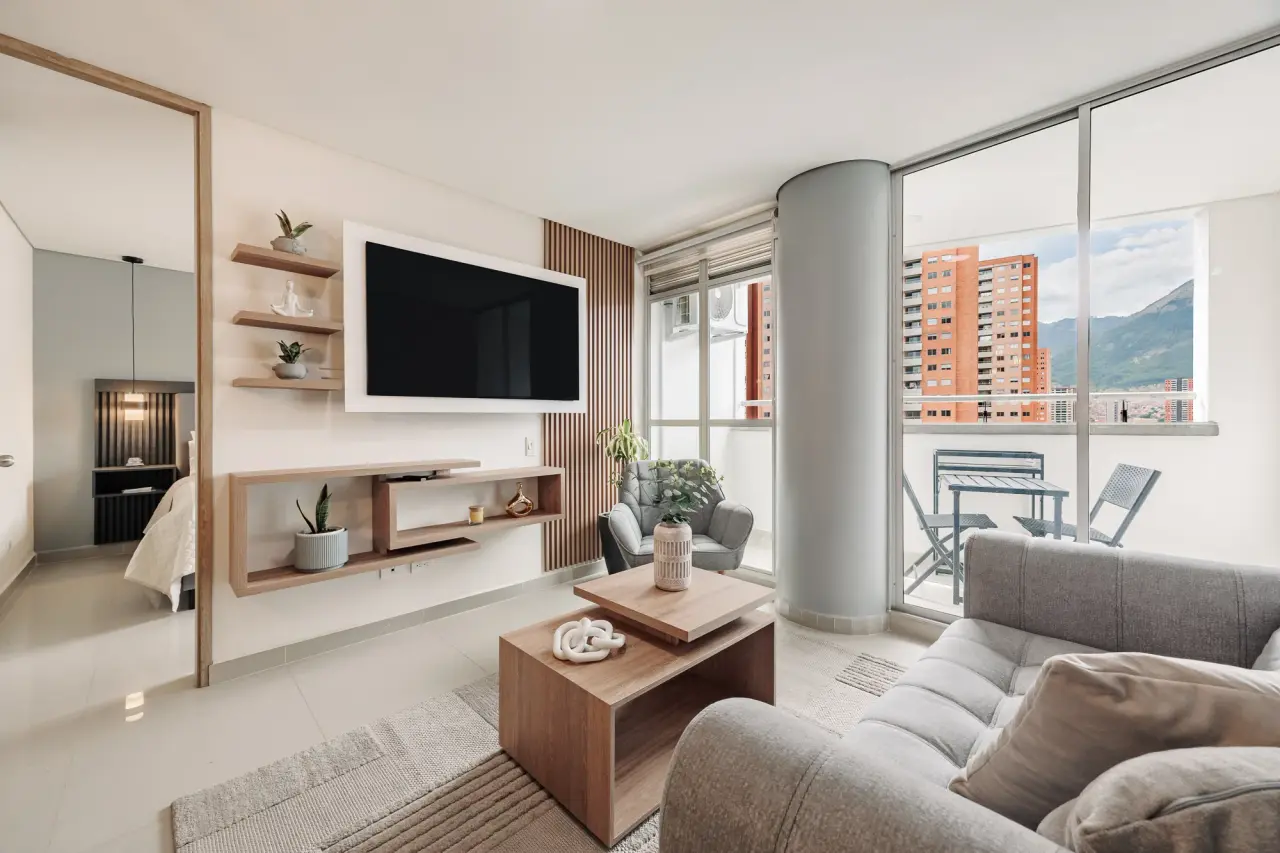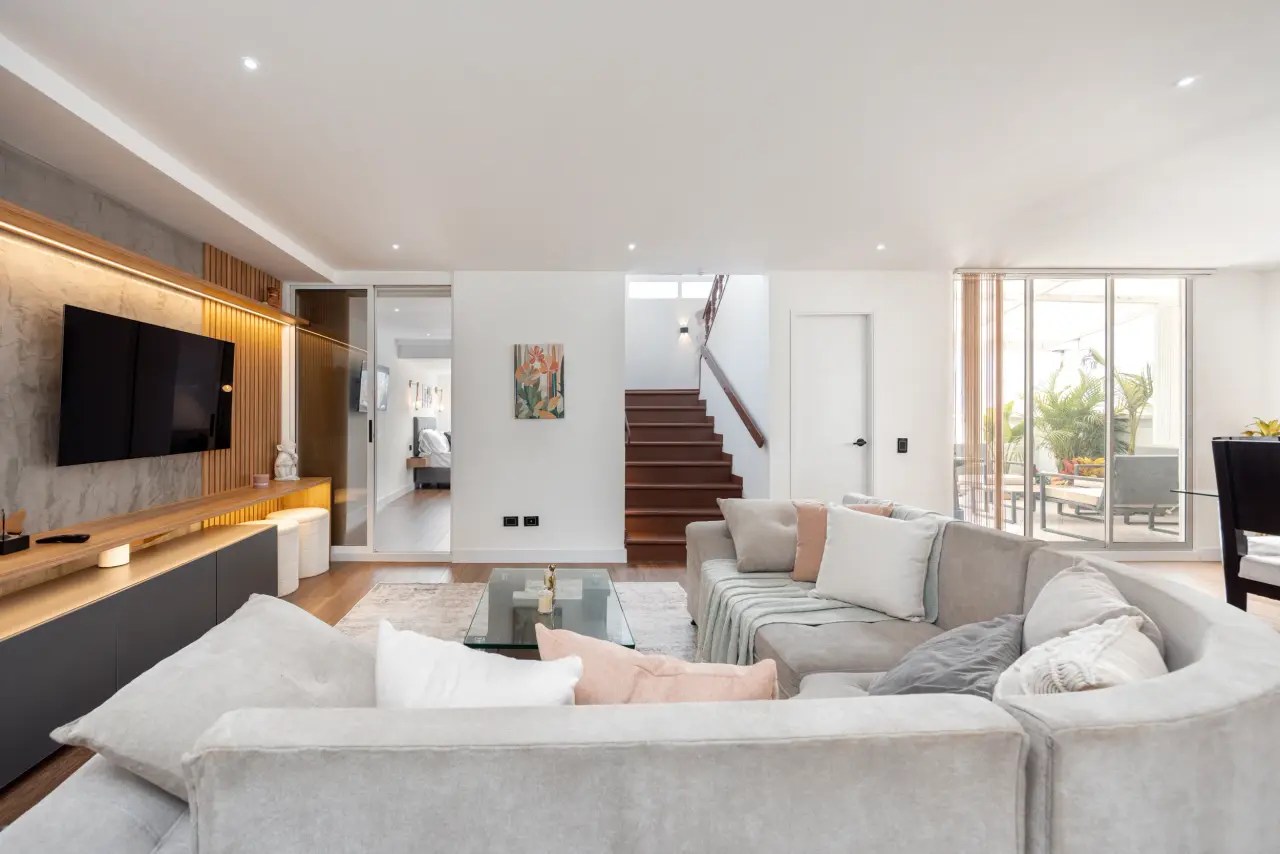
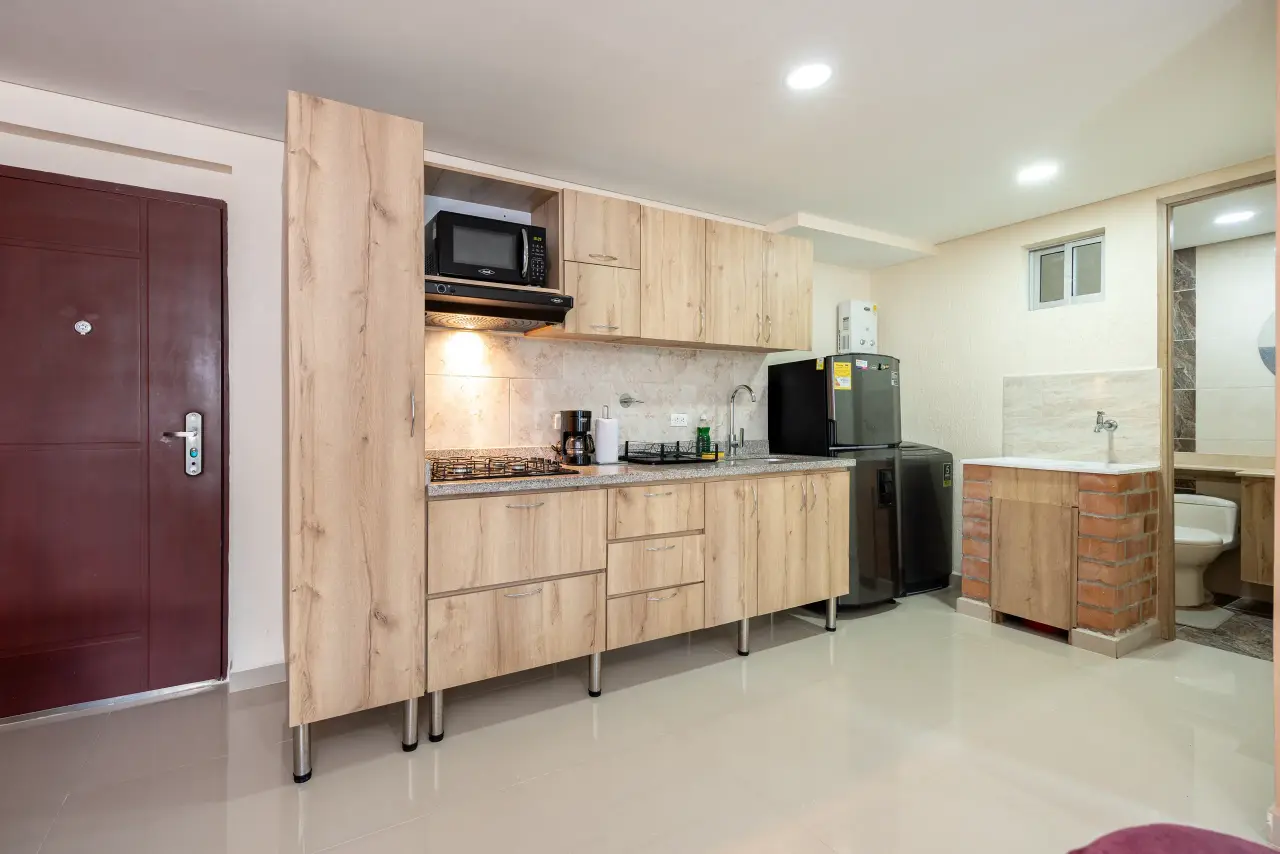
Ask a Medellín operator why their prices are quoted per month, or why a listing says 'minimum stay 30 nights' rather than 28, and you will get a shrug and the word 'legal'. The shrug is honest. The word is precise. There is a line in Colombian law, and it sits at thirty days.
On one side of it you are a guest in tourist lodging. On the other you are a tenant with a lease. Same apartment, same sofa, same view — and a different contract, a different set of rules for the host, a different reception at the building's front desk and a different way the price is put together. This is the line, explained from the side of the person paying.
The 30-day rule
The rule comes from Decreto 2590 de 2009, now folded into the big commerce decree, Decreto 1074 de 2015. It defines a tourism services provider as anyone who habitually hands over a property for the use and enjoyment of others, for money, for periods of under thirty calendar days. The contract that covers such a stay is hospedaje — lodging — not arrendamiento, a lease. And anyone providing it must be registered beforehand in the Registro Nacional de Turismo, the RNT, the same license a hotel carries.
Thirty days or more, and none of that applies. The stay is a lease of a furnished home, the host is a landlord rather than a tourism provider, and the contract lives in the Civil Code and, where it is a home, alongside the housing law, Ley 820. The number was chosen to separate tourism from housing. Everything below follows from it.
Under thirty days: you are a guest
A stay of a week or three weeks is lodging. Your host should hold an RNT number, and a listing that shows it is telling you it operates in the open; the number is public and the platforms display it. You check in and out the way you would at a hotel, the price is a service price rather than a rent, and the building's front desk treats you as a visitor — which, in a tower whose reglamento restricts tourist lodging, can mean the front desk was never told you were coming.
There are no notice periods and no lease protections, because it is not a lease. Deposits in this world are usually a card hold or a small sum returned at check-out. It is a perfectly good way to spend a fortnight in the city. It is simply not the same product as living here.
Thirty days and beyond: you are a tenant
Cross the line and the paperwork changes shape. You sign a written contract — arrendamiento de inmueble amoblado, a lease of a furnished home — with the parties, the dates, the price and what it includes, an inventory of what is in the apartment, the deposit terms and the exit rules. We wrote down what a proper one says. The building registers you with the portería as a resident, not a guest, which matters more than it sounds: the doorman knows your name, your visitors get through, and the reglamento's rules on tourist lodging simply do not apply to you, because you are not tourist lodging.
Deposits move into the honest gray area we have described before: Ley 820 bans them on ordinary housing leases, furnished operators still take one against the inventory, and the amounts, the timing and the law are here. Your protections are the contract's — notice, renewal, early exit — so read those two clauses before anything else.
And the price changes character. Per night, a month is far cheaper than thirty separate nights; per month, it is quoted with internet, the building fee and utilities up to a monthly maximum inside it, because a landlord can bundle what a hotel bills. In general terms, lodging under thirty days is a taxed service — the 19 percent IVA a hotel charges — while the lease of a home for thirty days or more is not, which is one of the quieter reasons the monthly number looks the way it does. The full comparison of what you pay each way is here.
Why serious monthly operators price exactly at the line
It is not a marketing choice. A home let from thirty days sits entirely outside the tourism regime: no RNT, no hospedaje contract, no fight with a building's assembly, and a tenant the tower is glad to have. A home let for twenty-eight days sits entirely inside it. So an operator who does monthly furnished rentals properly draws the minimum stay at thirty and builds the whole product — contract, inventory, one monthly price, a person who answers — on the lease side of the line. That is what we do, and it is why every home on our rentals page carries a monthly price rather than a nightly one.
Some homes do both, in different seasons, and there is nothing wrong with that as long as the operator holds the license for the short stays. The rules follow the length of the stay, not the platform it was booked on.
What to check on a listing
Count the nights. If your stay is under thirty, ask for the RNT number and expect a hotel-shaped experience. If it is thirty or more, expect a contract and read its deposit and exit clauses. If a listing quotes 'per month' but wants you out on day twenty-eight, ask why. And if a building's front desk seems surprised to see you, you have probably found the line by walking into it — which is the one way we would rather you did not.